
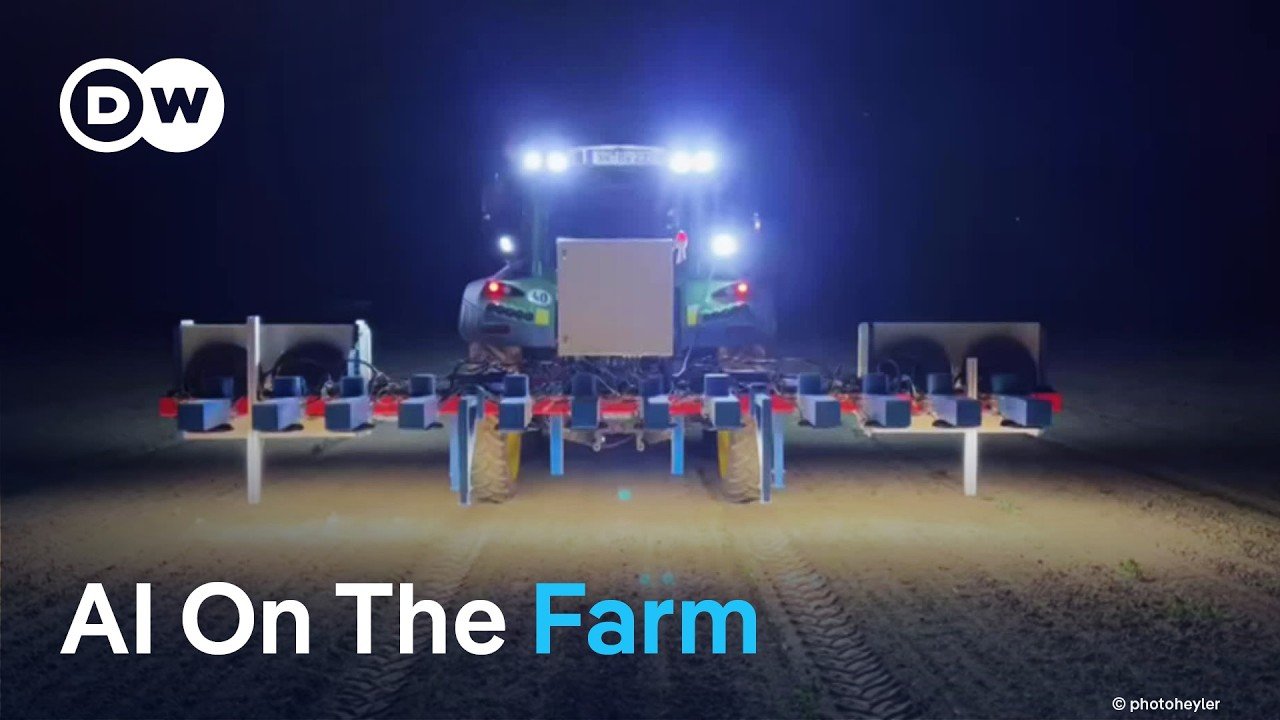
Agriculture is entering a new era, and the changes are happening faster than many farmers expected. From artificial intelligence and smart machinery to climate-friendly farming methods, technology is reshaping how food is grown, harvested, and delivered. What was once considered futuristic is gradually becoming part of everyday agricultural life, opening new opportunities while creating fresh challenges for farmers around the world.
The biggest shift is not simply about using more machines. It is about making farming more precise, productive, and resilient in a world facing unpredictable weather, rising production costs, and growing food demand. Farmers are increasingly looking for practical ways to produce more with fewer resources, and the next generation of agricultural innovation could change the industry’s priorities for years to come.
One of the most noticeable developments is the growing use of digital technology. Sensors, drones, satellite imagery, and artificial intelligence are helping farmers monitor crops, identify potential problems, and make better decisions. Instead of treating an entire field the same way, farmers can increasingly respond to the specific needs of different areas.
For example, soil sensors can help determine when crops need water, while drone images can reveal early signs of plant stress or pest damage. These tools may reduce unnecessary spending on irrigation, fertilizers, and pesticides. However, their benefits depend on reliable data, suitable equipment, and farmers having the skills to use the technology effectively.
Climate Challenges Are Driving New Farming Methods
Climate change is putting pressure on agricultural systems through droughts, floods, heat waves, and shifting growing seasons. As a result, climate-smart agriculture is gaining attention as farmers search for ways to protect their harvests against increasingly unpredictable conditions.
Practices such as crop rotation, cover cropping, improved water management, and reduced soil disturbance can help maintain soil health and manage environmental risks. Some farmers are also experimenting with drought-tolerant crop varieties and more diversified farming systems. While no single method works everywhere, combining suitable practices can help farms become more adaptable over time.
Robotics and Automation Are Moving Forward
Labor shortages and rising wages are encouraging farms to explore automation. Robotic weeders, automated milking systems, and machine-guided tractors are among the technologies changing agricultural operations. These systems can handle repetitive tasks, improve consistency, and potentially reduce dependence on manual labor for certain activities.
Nevertheless, automation is not an instant solution for every farm. High purchase prices, maintenance requirements, internet connectivity, and limited technical support can make adoption difficult, especially for small-scale producers. Affordable equipment and accessible training will be important if these innovations are to benefit a wider range of farming communities.
The Future Depends on More Than Technology
Another important development is the growing interest in sustainable food production and stronger supply chains. Consumers, food companies, and governments are paying closer attention to how agricultural products are produced, transported, and stored. Better storage facilities, improved logistics, and reduced food waste can make a meaningful difference without requiring farmers to dramatically increase production.
At the same time, digital farming must become more accessible. Farmers need reliable advice, financing, infrastructure, and markets that reward better practices. Innovation will deliver limited results if the people responsible for growing the world’s food cannot afford to participate.
A New Chapter for Global Agriculture
Agriculture’s next big shift will likely come from combining technology, practical experience, and environmental responsibility rather than relying on one breakthrough. Some farms will adopt advanced robotics, while others will achieve progress through better irrigation, healthier soils, or improved crop planning.
The real measure of success will be whether these changes help farmers earn sustainable incomes while producing dependable food supplies. Agriculture is evolving beyond traditional routines, and the most successful farms may be those that adapt carefully, embrace useful innovations, and remain prepared for an increasingly unpredictable future.


1 comment