
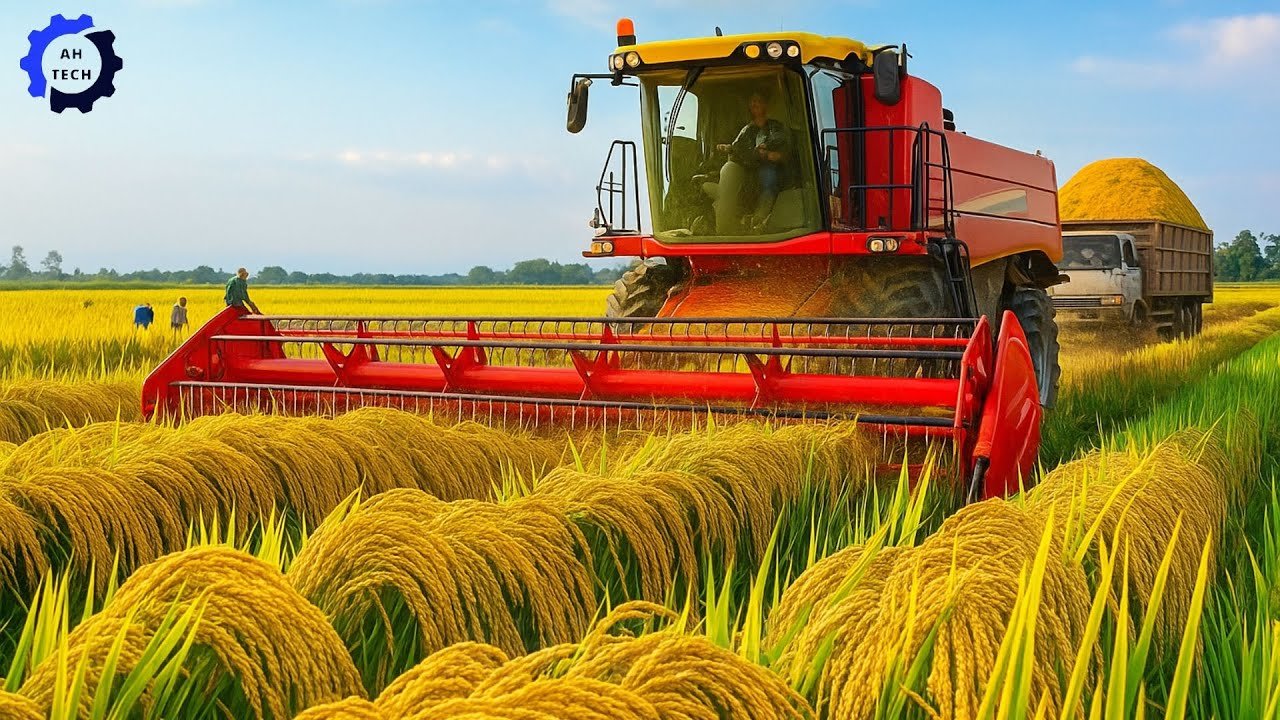
Modern farming is entering an exciting new chapter as farmers discover smarter ways to grow more food with fewer resources. From precision technology to innovative irrigation systems, agricultural practices are evolving to meet the demands of a growing global population. The goal is no longer simply to plant more crops, but to produce healthier harvests while protecting the land for future generations.
Across the agricultural sector, technology is helping farmers make better decisions at every stage of production. Digital sensors, satellite monitoring, and automated equipment are changing how fields are managed. These tools allow farmers to understand soil conditions, monitor crop health, and identify potential problems before they threaten an entire harvest.
One of the biggest developments in modern agriculture is precision farming. Instead of treating an entire field in the same way, farmers can now adjust water, fertilizer, and other inputs according to the specific needs of different areas. This approach can reduce waste, lower operating costs, and help crops grow under more suitable conditions.
Artificial intelligence is also becoming a useful tool in agricultural planning. Computer systems can analyze weather forecasts, soil information, and crop growth patterns to help farmers determine when to plant, irrigate, or harvest. Although these technologies require investment and training, they offer opportunities to improve efficiency and reduce uncertainty in an increasingly unpredictable climate.
Water Conservation Becomes a Growing Priority
Water management is another major focus as agricultural regions face changing rainfall patterns and increasing pressure on freshwater supplies. Traditional irrigation methods can lose significant amounts of water through evaporation or runoff, making efficient alternatives increasingly attractive to farmers.
Drip irrigation delivers water directly to plant roots, helping reduce unnecessary water use. Meanwhile, soil moisture sensors can indicate when crops actually need watering instead of relying on fixed schedules. Combined with careful planning, these methods can help farmers conserve resources while maintaining productive fields.
READ ALSO >> Agriculture’s Next Big Shift: What’s Changing Now
New Growing Methods Make Better Use of Space
Innovative growing systems are opening new possibilities for agriculture in places where traditional farmland is limited. Vertical farming, hydroponics, and controlled-environment agriculture allow certain crops to grow in carefully managed indoor settings. These systems can be particularly useful for leafy greens, herbs, and other crops that suit compact production environments.
However, indoor farming is not a universal solution. Electricity expenses, equipment costs, and climate-control requirements can make some operations expensive. For many farmers, combining established agricultural knowledge with selected modern techniques may provide a more practical path toward greater productivity.
Healthier Soil Supports Stronger Harvests
While technology attracts considerable attention, soil health remains essential to successful farming. Practices such as crop rotation, cover cropping, reduced tillage, and compost application can improve soil structure and support beneficial organisms. Healthy soil can also help retain moisture and reduce erosion, making farmland more resilient over time.
These methods demonstrate that agricultural innovation does not always require expensive machinery. Sometimes, small changes in field management can produce meaningful long-term benefits, especially when farmers adapt their practices to local conditions.
The Future of Farming Depends on Balance
Modern farming is not about replacing every traditional method with a digital alternative. It is about combining practical experience, scientific research, and suitable technology to achieve reliable results. Access to training, affordable equipment, financing, and dependable markets will remain important factors in determining which innovations farmers can adopt.
As food demand continues to rise, the most promising agricultural solutions will be those that balance productivity with environmental responsibility. By using resources more carefully, improving soil management, and embracing appropriate technology, farmers can find new ways to grow more while building a stronger foundation for the future of food production.
