
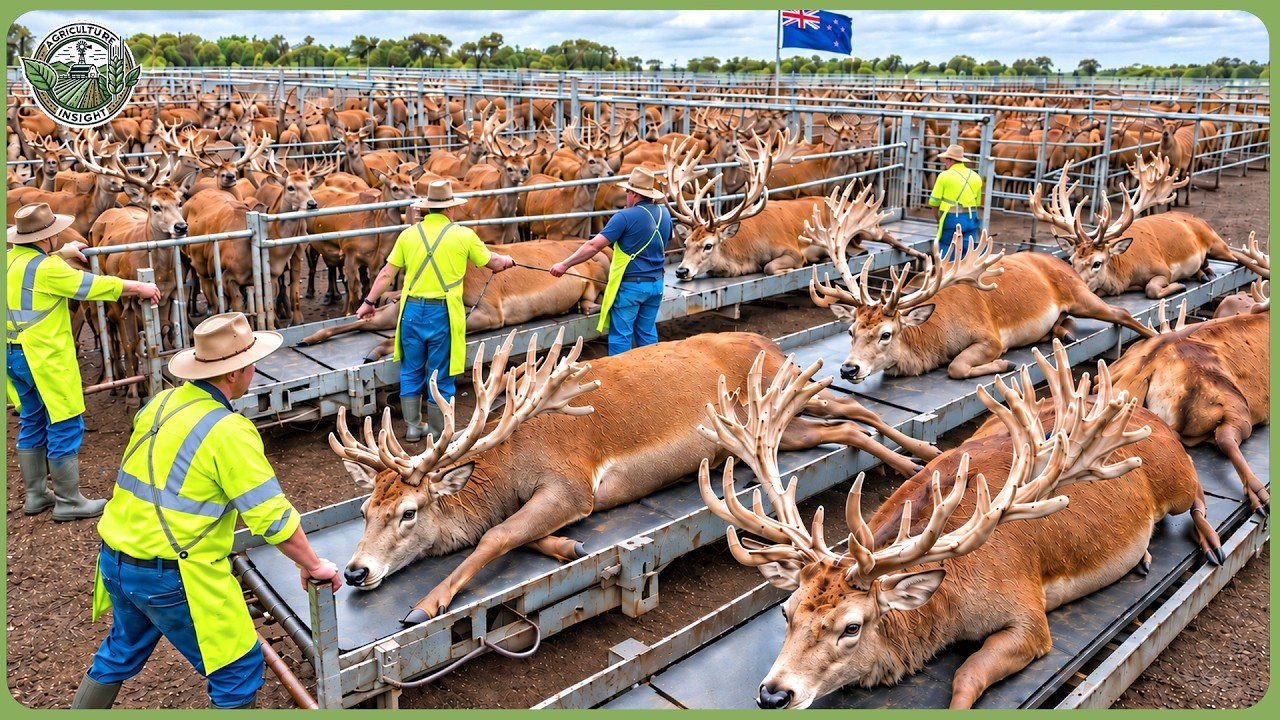
Livestock farming is entering a new era as technology, smarter management, and innovative farming methods reshape how animals are raised and agricultural businesses operate. From automated feeding systems to digital health monitoring, farmers are discovering new ways to improve productivity while maintaining animal welfare. What was once a labor-intensive industry is gradually becoming more precise, efficient, and responsive to changing market demands.
The transformation comes at a time when farmers face rising production costs, unpredictable weather, and growing demand for animal-based products. Meeting these challenges requires more than increasing herd sizes. Instead, modern livestock operations are focusing on using available resources wisely, reducing waste, and making better decisions through reliable information.
One of the most noticeable developments is the growing use of automation in livestock facilities. Automatic feeders, robotic milking machines, and climate-control systems can help farmers manage daily tasks more consistently. These technologies reduce repetitive workloads and allow farm workers to concentrate on animal health, facility maintenance, and long-term planning.
Digital monitoring tools are also changing how farmers care for their animals. Sensors can track movement, feeding behavior, body temperature, and other indicators that may reveal changes in health. When unusual patterns appear, farmers can investigate potential problems earlier, potentially reducing treatment costs and preventing minor conditions from becoming serious herd-wide concerns.
Data-Driven Decisions Improve Farm Productivity
Efficiency increasingly depends on understanding what happens inside the farm. Digital management platforms can organize information about feed consumption, breeding schedules, milk production, weight gain, and veterinary treatments. By examining these records, farmers can identify which practices deliver better results and where valuable resources are being lost.
For example, monitoring feed conversion can help producers understand how effectively animals turn feed into growth. Adjusting feed formulations to meet nutritional requirements may improve performance while limiting unnecessary expenses. However, the benefits depend on accurate records, suitable equipment, and practical knowledge of animal nutrition.
Data does not replace farming experience. Instead, it gives farmers another tool to combine with observation and professional advice, creating a more balanced approach to everyday decisions.
Animal Welfare Remains Central to Efficiency
Although productivity is an important goal, successful livestock farming cannot be measured by output alone. Healthy animals generally offer better prospects for consistent production, making welfare an essential part of an efficient operation.
Proper ventilation, clean drinking water, appropriate housing, balanced nutrition, and access to veterinary care all contribute to healthier herds. Technologies that monitor barn temperatures or detect changes in animal behavior can help farmers respond more quickly when conditions become unfavorable.
Preventive care can also reduce avoidable losses and support more predictable production. The strongest farming systems therefore combine modern equipment with responsible animal handling and attentive daily supervision.
Sustainability Becomes a Competitive Advantage
Environmental responsibility is another factor shaping the industry’s future. Better manure management, efficient water use, improved feeding strategies, and renewable energy systems can help farms reduce their environmental footprint. Some practices may also lower operating expenses, creating benefits for both business performance and sustainability.
Nevertheless, adopting new technology requires investment. Small and medium-sized farms may struggle with equipment costs, internet connectivity, maintenance, and technical training. Affordable solutions, cooperative purchasing, and practical agricultural education could help make modernization more accessible.
The Future of Livestock Farming
Livestock farming’s next chapter will likely combine traditional agricultural knowledge with increasingly sophisticated digital tools. Automation and data analysis will continue to create opportunities, but success will depend on selecting technologies that solve real problems rather than simply following trends.
For farmers, the objective is clear: produce responsibly, protect animal health, and use resources more effectively. As these priorities converge, efficiency is becoming more than a productivity target. It is emerging as a foundation for building resilient livestock businesses that can adapt to the changing demands of modern agriculture.
